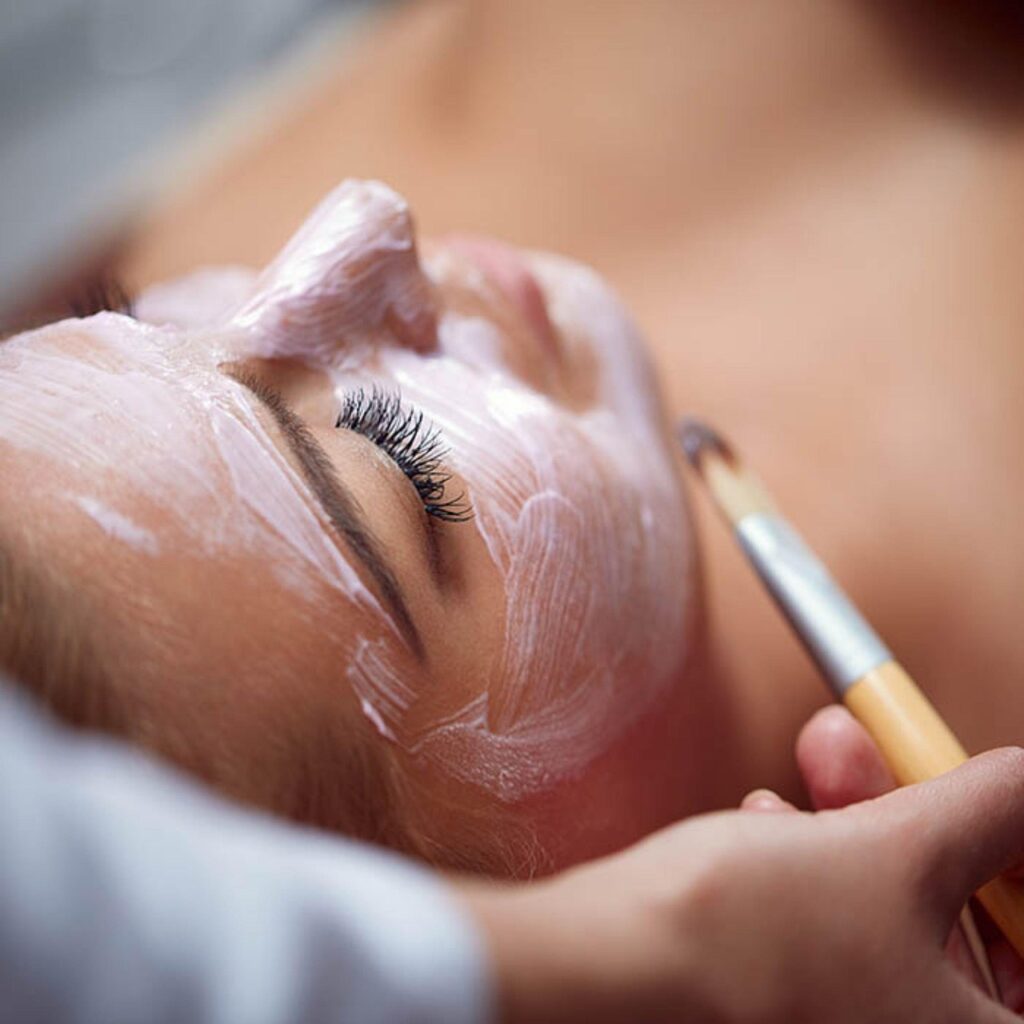











Wash your face with a gentle cleanser, pat dry and wait about an hour without applying anything. If your skin feels tight, it is likely dry; if it looks shiny all over, it is oily; if only the forehead, nose and chin are shiny, it is combination. Skin that feels comfortable and balanced is normal, and skin that stings or turns red easily is sensitive.
In the morning: cleanser, serum if you use one, moisturizer, then sunscreen. At night: cleanser (double cleanse if you wore sunscreen or makeup), treatment or serum, then moisturizer. As a simple rule, apply products from the thinnest texture to the thickest.
Yes. UV rays are present even on cloudy days and through windows, and they are the main cause of premature ageing, dark spots and uneven tone. Use a broad-spectrum sunscreen of SPF 30 or higher, apply it as the last step of your morning routine, and reapply every 2 to 3 hours if you are outdoors.
Most skin types do well with gentle exfoliation 1 to 3 times a week. Oily and resilient skin can usually handle the higher end, while dry or sensitive skin does better with less. If your skin feels tight, stings or looks red and flaky, cut back and focus on moisturizing.
Skin renews itself roughly every 4 to 6 weeks, so most products need at least 4 to 8 weeks of regular use to show real results. Hydrating products can feel better within days, while concerns like acne marks or pigmentation take longer. Introduce one new product at a time so you know what is working.
For sensitive skin, choose fragrance-free, gentle formulas and always patch test a new product on your inner arm or behind the ear for 24 hours first. During pregnancy, some ingredients such as retinoids and high-strength salicylic acid are usually avoided, so please check with your doctor or dermatologist before starting anything new.